Why Keys Snap and What Happens Inside the Lock Cylinder
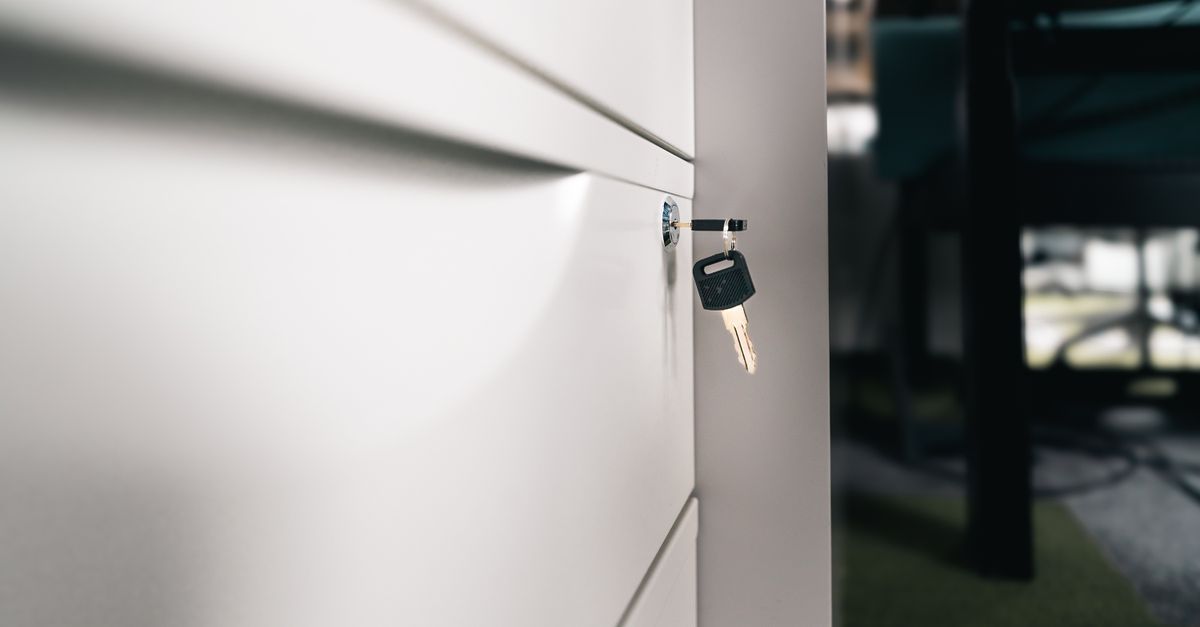
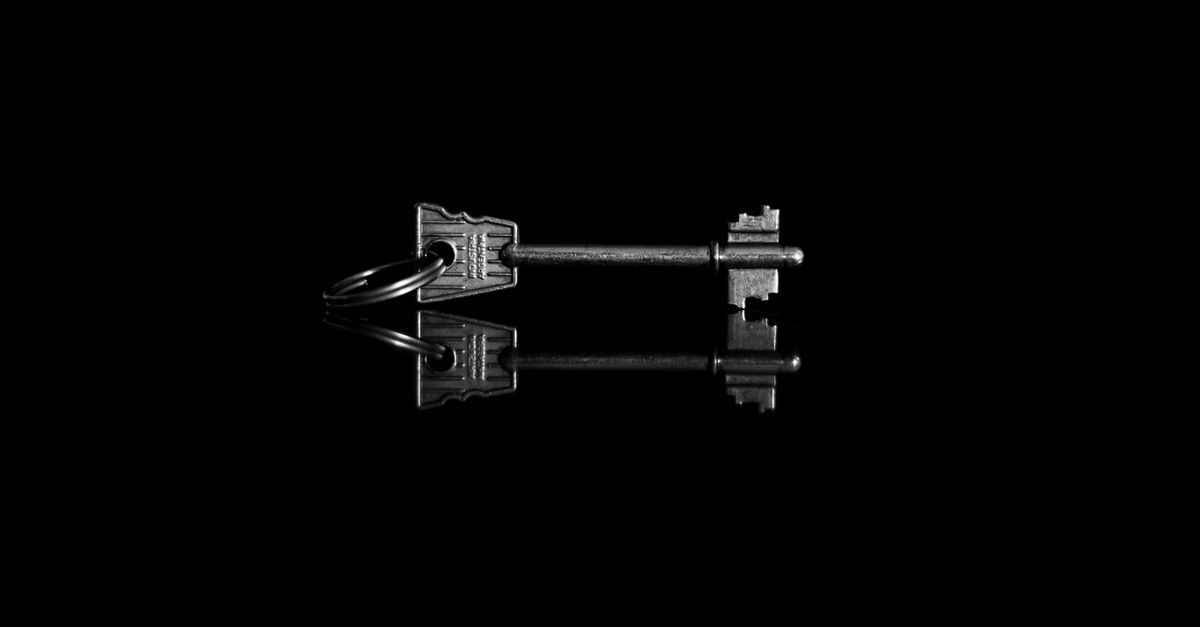
Keys fail for reasons that are more predictable than most people expect. Brass and nickel-silver key blanks develop microscopic stress fractures over months of use, especially when an owner habitually uses the key as a lever to push or pull a sticky door at the same time as turning. Worn-out lock cylinders — particularly older mortise lock assemblies common in Deltona's commercial strip centers and mid-century residential properties — add friction that multiplies the torque needed to turn the key, accelerating metal fatigue. A duplicate cut even slightly off-specification puts uneven stress on the blade with every use until it eventually gives way. Cold mornings, though rare in Central Florida, cause metal to contract just enough to make a marginal key the last one to turn.
Once the break happens, the fragment typically rests partially or fully inside the plug — the rotating cylinder core. If any portion protrudes, there is a temptation to grip it with needle-nose pliers and pull, but uneven force almost always rotates the plug slightly, which can lock the fragment in place or push it past a key cut in the pins above it, making extraction considerably harder. This is precisely why calling a trained technician before attempting any self-rescue saves time, money, and — most importantly — the lock itself.